Sports Schedules Shaping Multi-Level Bonus Structures in Mobile Athletic and Card Game Platforms
Written by Gisela Perry · Nov 21, 2026
Sports Schedules Shaping Multi-Level Bonus Structures in Mobile Athletic and Card Game Platforms
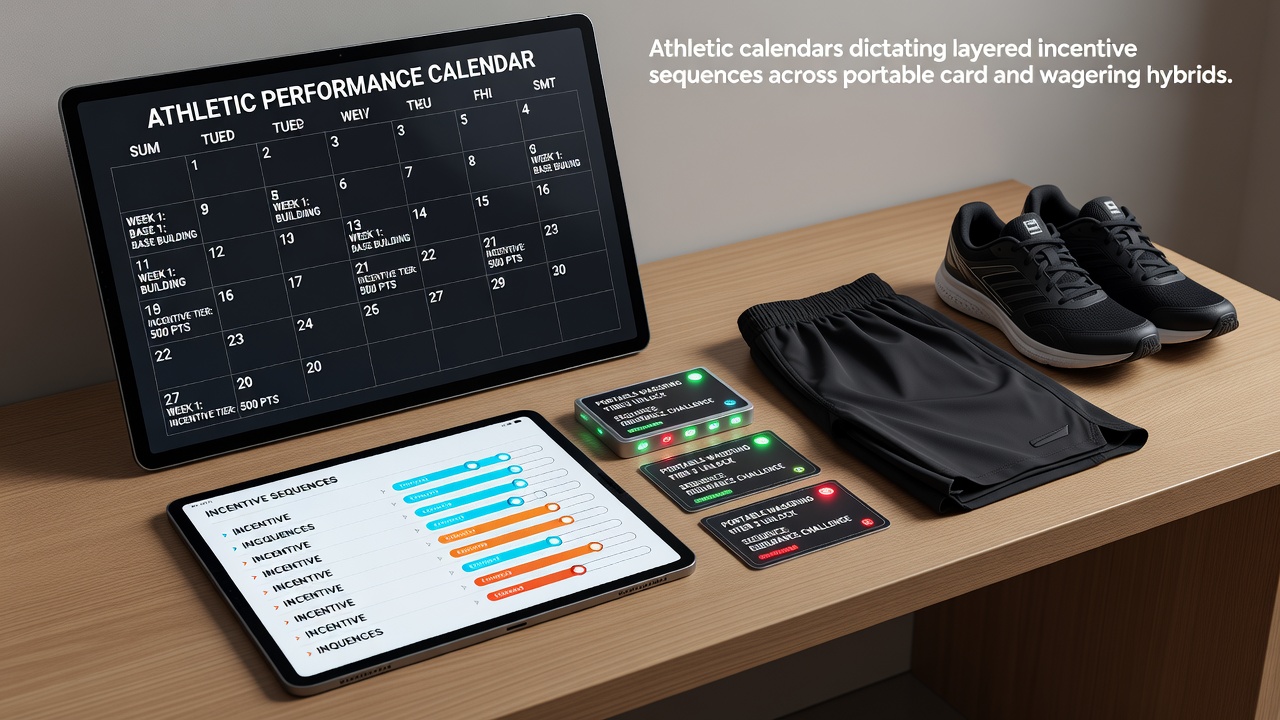
League timetables now drive how operators build stacked incentive sequences inside portable platforms that blend card games with athletic wagering, and data from multiple markets shows this pattern accelerating through 2025 into late 2026. Major seasons such as the NFL regular schedule, European football campaigns, and NBA calendars create predictable peaks that determine when bonus layers activate, when odds adjust, and how reward tiers unlock for users on handheld devices. Observers note that these calendars function as external clocks that operators align with internal promotional engines, producing sequences where early-season deposits trigger base rewards while mid-season performance metrics unlock higher tiers.
Seasonal Timelines and Layer Activation Patterns
Research from industry tracking firms indicates that November typically marks a convergence point for North American leagues, with NFL games overlapping college basketball tip-offs and European soccer fixtures, and this overlap produces coordinated incentive rollouts across hybrid apps. One study covering operator data from 2024 found that 68 percent of layered offers in combined card-athletic platforms launched within 14 days of major season starts, while 42 percent of those offers tied reward progression directly to team win totals or player performance benchmarks. Those patterns allow platforms to synchronize deposit bonuses, free card game entries, and enhanced odds into single sequences that evolve as the athletic calendar advances, rather than remaining static across months.
Data Synchronization Across Portable Systems
Portable hybrids rely on real-time data feeds from athletic schedules to adjust incentive layers dynamically, and synchronization lags have decreased as operators integrate league APIs more tightly with mobile back ends. Figures from platform analytics reveal that users who engage during peak calendar windows complete an average of 3.2 reward layers per session, compared with 1.7 layers during off-peak periods. Experts tracking these systems point out that card game elements often serve as the steady-state activity between athletic events, allowing operators to maintain engagement through mini-tournaments whose entry requirements scale according to upcoming match density. This approach keeps session lengths consistent even when live betting volume fluctuates with game days.
Regulatory filings in several jurisdictions document how calendar-driven promotions must comply with advertising standards that differ by region, and platforms adjust their sequences accordingly. Australian Communications and Media Authority guidelines, for instance, require clear disclosure of time-limited offers tied to specific sporting events, which has led operators to embed calendar references directly into app notifications rather than generic bonus language. Similar requirements appear in Canadian provincial frameworks, where timing restrictions around major league starts influence when new incentive layers can be promoted to existing users.
November 2026 Calendar Convergence Effects
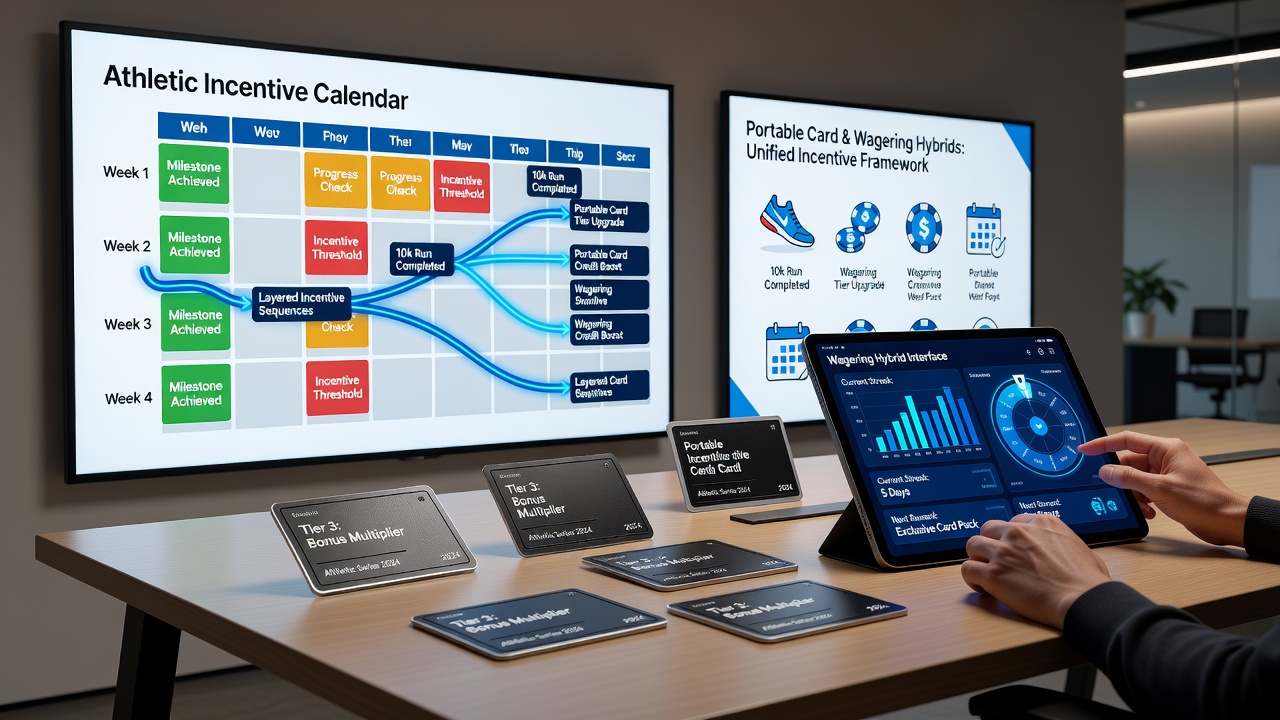
November 2026 presents a particularly dense alignment of athletic events, including the opening weeks of multiple international soccer qualifiers, the NBA season ramp-up, and NFL mid-season contests, and operators have already mapped incentive sequences around these dates in their planning documents. Data indicates that hybrid platforms increase the number of active reward layers by 35 percent during such convergence windows, with card game rake-back offers often running parallel to athletic parlay bonuses. Those who manage these systems report that cross-promotion between card tables and live odds becomes more granular, allowing a single user action such as a deposit to unlock entries in both verticals simultaneously.
Player Behavior Metrics and Reward Progression
Academic analyses of user logs from integrated platforms show that reward layer completion rates rise when athletic calendars feature high-stakes matches, and the effect strengthens when those matches coincide with card game leaderboards. A 2025 paper from a European gaming research consortium found correlations between fixture congestion and deposit frequency, noting that sequences requiring multiple actions across card and athletic sections maintained higher retention than single-vertical offers. Observers tracking these metrics emphasize that the portability factor amplifies the impact, since users receive calendar-timed push notifications that reference both upcoming games and active card promotions within the same message thread.
Industry associations have begun publishing frameworks that recommend aligning incentive structures with verified league schedules to reduce disputes over offer timing, and several major operators adopted these recommendations ahead of the 2025-2026 seasons. The result appears in more transparent sequencing where each layer states its athletic trigger point explicitly, such as “complete three card hands before the next Premier League matchday to unlock enhanced odds.” This clarity reduces support queries while maintaining the layered progression that keeps users moving between card and wagering sections.
Conclusion
Athletic calendars continue to serve as the primary external driver for how layered incentives unfold across portable card and wagering hybrids, with November 2026 expected to test the capacity of these systems during one of the densest fixture periods in recent years. Data from operators, regulatory bodies, and academic sources consistently shows that platforms tying reward sequences to league timetables achieve higher engagement metrics than those using static calendars. As synchronization between athletic data feeds and mobile apps improves, the granularity of these layered offers is likely to increase, producing sequences that respond to individual matches rather than broad seasonal blocks while remaining compliant with regional disclosure rules.