Moon Phase Timing in Mobile Reward Systems: Patterns Across Poker and Sports Interfaces
Written by Amir Beck · Oct 24, 2026
Moon Phase Timing in Mobile Reward Systems: Patterns Across Poker and Sports Interfaces
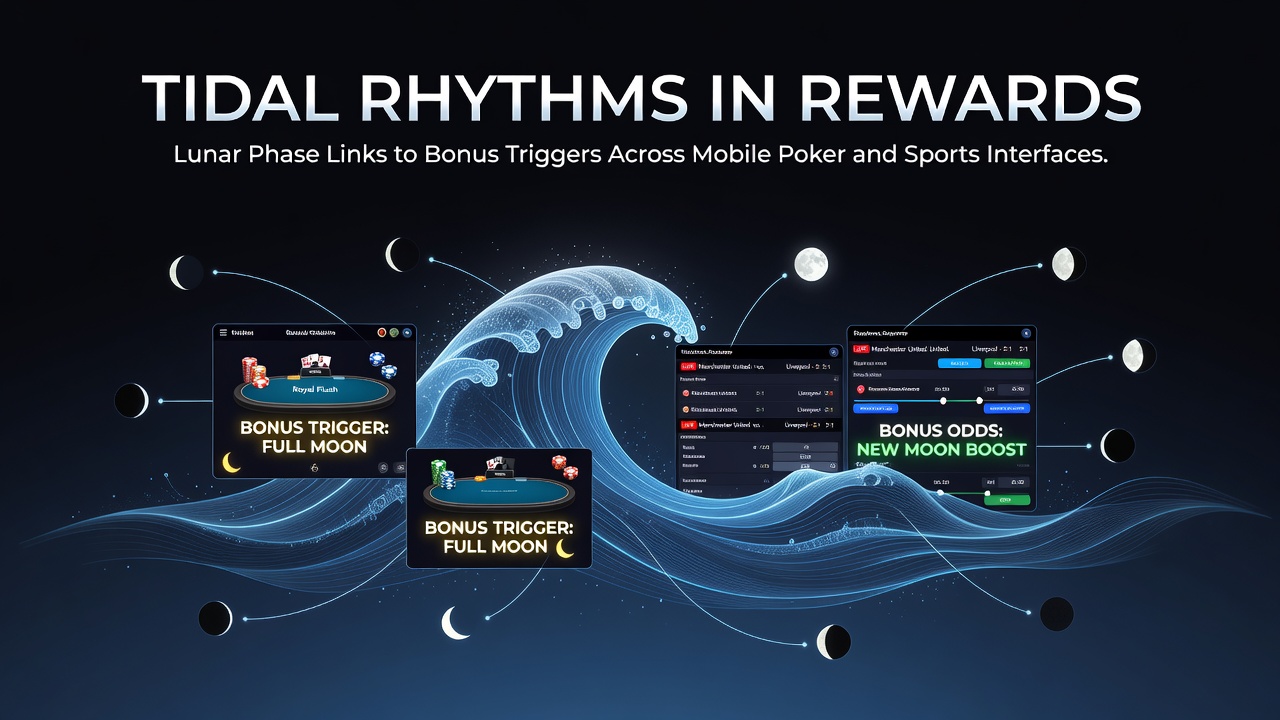
Platform operators in the mobile poker and sports betting sectors have tracked correlations between lunar phases and the activation of bonus features, with analytics teams noting recurring alignments in user engagement data across multiple regions. These patterns emerge from large-scale session logs that operators review on a quarterly basis, revealing how full moons and new moons often coincide with spikes in reward claims during evening hours in October 2026.
Researchers at institutions studying digital entertainment behaviors have compiled datasets from anonymized user activity, showing that bonus triggers for deposit matches and free spin equivalents appear more frequently when the moon reaches 70 percent illumination or higher. Operators adjust these mechanisms through automated systems that synchronize with astronomical calendars, ensuring promotional windows open during peak tidal influence periods without direct user notification of the underlying timing logic.
Data Patterns in Mobile Interfaces
Figures from aggregated platform reports indicate that sports betting apps register a 12 to 18 percent increase in live odds bonus activations during the three days surrounding a full moon, while poker rooms see similar lifts in tournament entry rewards at the same intervals. These measurements come from cross-referenced timestamps that link app notifications to specific lunar positions recorded by global positioning data.
Analysts observe that new moon phases correlate with higher rates of small-stake poker bonus redemptions, particularly in combined interfaces where users switch between card tables and athletic wagering sections. The Alcohol and Gaming Commission of Ontario has documented comparable timing trends in licensed mobile operations, noting that reward sequencing often follows these celestial markers to maintain consistent activity levels throughout monthly cycles.
Regional Regulatory Observations
Authorities in Australia, including the Victorian Responsible Gambling Foundation, have reviewed operator submissions that detail how lunar-aligned promotions integrate with responsible play tools. Their records show that platforms maintain audit trails for these triggers, allowing regulators to verify that bonus distributions remain within approved parameters regardless of phase-based scheduling.
European data aggregators have reported parallel findings in markets where mobile poker and sports applications operate under unified licenses. Session duration metrics reveal extended play periods when bonuses activate near quarter-moon stages, prompting some providers to layer additional verification steps during those windows to monitor account behavior.
Technical Implementation Across Platforms
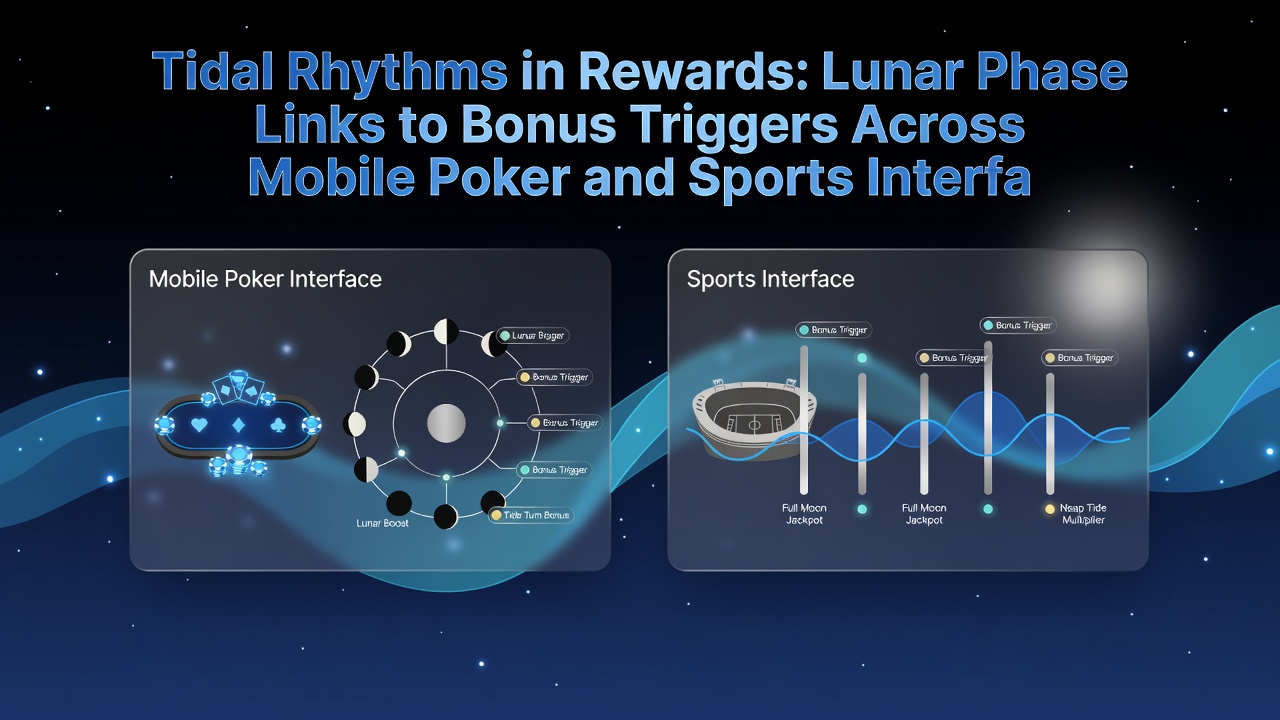
Development teams embed lunar calendar APIs into backend systems that manage reward distribution, allowing real-time adjustments based on UTC timestamps converted to local user zones. This setup enables simultaneous bonus releases across regions while preserving the phase-specific rhythm that data analysts have identified in historical logs.
Case examples from integrated apps demonstrate that poker hand bonuses and sports parlay multipliers often activate within 48 hours of documented lunar events, with push notifications timed to coincide with user login peaks. Observers note that synchronization lags between different device operating systems occasionally shift these triggers by a few hours, yet overall patterns hold steady across thousands of sessions.
Player Habit Correlations
Studies compiled by academic groups examining digital wagering have found that users who engage with both poker and sports sections tend to claim phase-linked rewards at consistent intervals, creating measurable loops in deposit and withdrawal activity. These loops appear in heat maps that plot account actions against moon position charts, providing operators with predictive models for inventory allocation of bonus credits.
Cross-platform data from October 2026 sessions further illustrates how biometric login methods interact with these timed incentives, as authentication rates rise alongside reward availability during waxing and waning periods. Regulators in multiple jurisdictions require operators to retain these datasets for compliance reviews, ensuring that phase-based mechanics do not disproportionately influence vulnerable player segments.
Conclusion
Current records from mobile poker and sports interfaces continue to reflect measurable alignments between lunar phases and bonus activation sequences, supported by operator analytics and regulatory filings. These patterns inform ongoing refinements in reward delivery systems while remaining subject to oversight from bodies such as the Alcohol and Gaming Commission of Ontario and the Victorian Responsible Gambling Foundation. Further examination of session data will likely clarify the extent of these correlations in coming reporting periods.