Cryptographic Advances Reshaping Disbursement Sequences Across Mobile Gaming Ecosystems
Written by Amir Beck · Nov 7, 2026
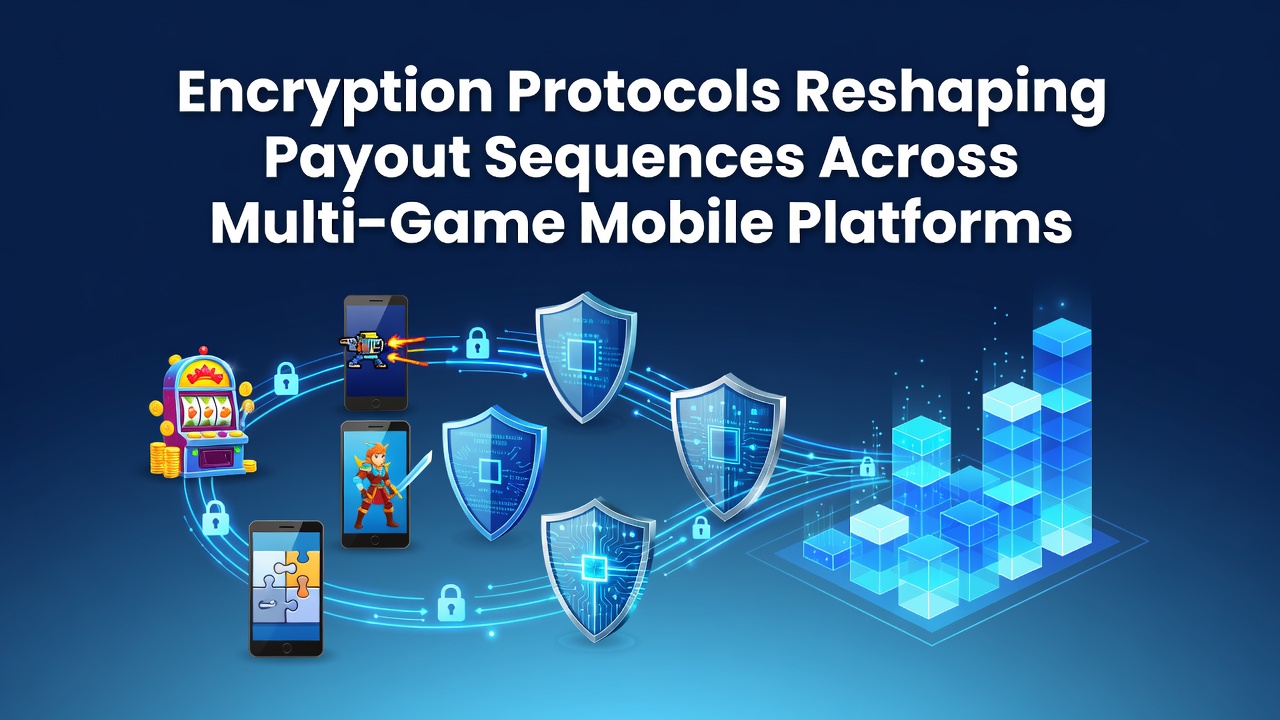
Cryptographic Advances Reshaping Disbursement Sequences Across Mobile Gaming Ecosystems
Encryption protocols have begun to influence the ordering of payouts in mobile platforms that support multiple game types, and researchers have documented shifts in how transaction data moves through secure channels. Data from industry reports shows that platforms integrate advanced cryptographic methods such as AES-256 and TLS 1.3 to verify user identities before releasing funds, which can alter the sequence in which different game categories process withdrawals. Experts note that these layers add verification steps that prioritize certain transaction types based on risk assessments embedded in the encryption handshake.
Platforms handling both casino-style games and sports betting features often route payout requests through centralized security modules, and this setup means a withdrawal from one game type might queue behind another when encryption checks detect overlapping session data. Studies from academic sources indicate that zero-knowledge proofs, which allow verification without exposing full details, have reduced processing conflicts in multi-game environments while maintaining strict sequence controls.
Protocol Integration Patterns in Multi-Game Setups
Developers implement protocols like elliptic curve cryptography to authenticate devices across game portfolios, and this creates dependencies where payout approvals for high-volume games wait on clearance from lower-volume ones during peak periods. According to findings from the National Institute of Standards and Technology, updated guidelines released ahead of November 2026 emphasize standardized key exchanges that platforms must adopt to synchronize sequences without exposing user data across titles. Those who've analyzed mobile traffic logs observe that platforms using hybrid encryption models experience fewer interruptions when switching between game modes because the protocols enforce consistent ordering rules.
Case examples from testing environments reveal that when a player completes sessions in card games followed by betting interfaces, the encryption framework sequences the payouts to complete the card game disbursement first if its data packet size exceeds a defined threshold. This pattern emerges because the protocol evaluates payload integrity before advancing to the next request in the queue.
Impact on Transaction Timelines and Data Synchronization
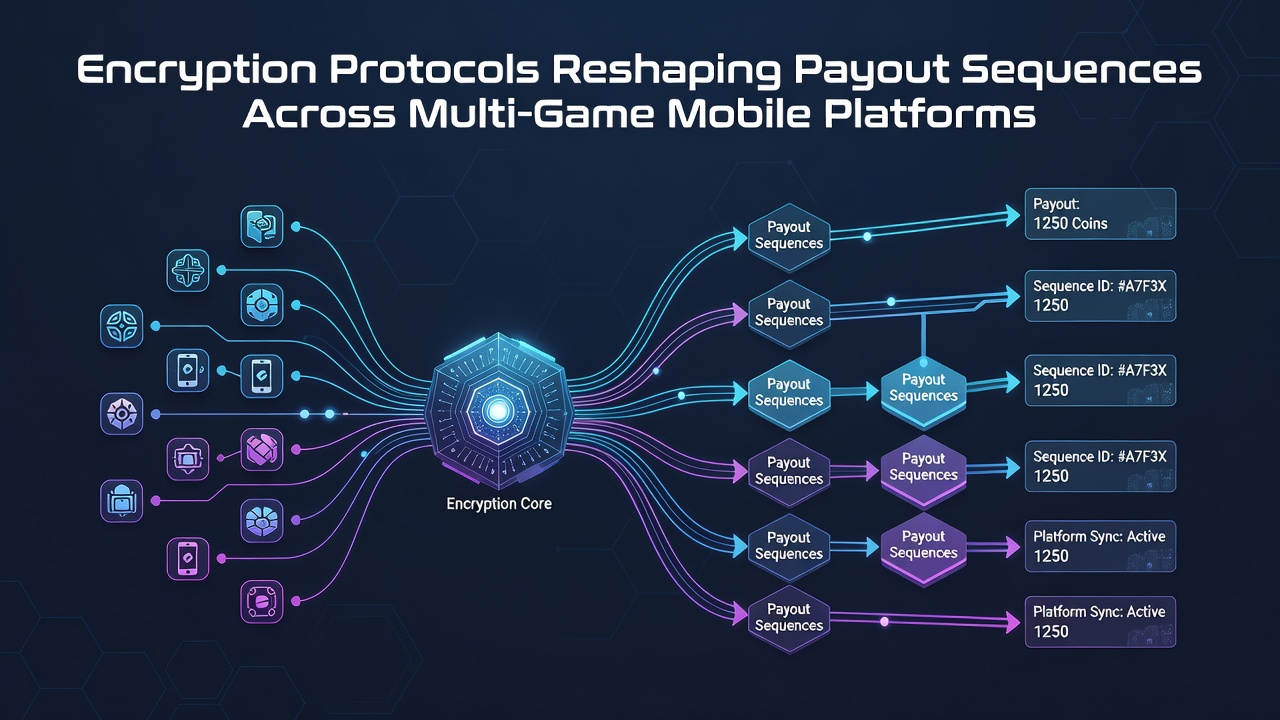
Multi-game mobile platforms rely on synchronized encryption keys to manage concurrent sessions, and this synchronization affects how quickly funds move from one game balance to another before final disbursement. Research indicates that platforms incorporating post-quantum cryptography elements have adjusted their payout sequences to account for longer verification times during key rotations, particularly in regions where regulatory bodies require enhanced security audits. The Australian Communications and Media Authority has published guidance on digital transaction security that aligns with these protocol shifts, encouraging operators to log sequence changes for compliance reviews.
Observers note that when encryption protocols detect anomalies in session metadata, they can reorder payout requests to isolate potentially compromised game accounts, which extends timelines for users active across several titles simultaneously. Figures from platform analytics show that such reordering occurs more frequently during high-traffic windows, leading to staggered releases rather than simultaneous processing.
Regional Variations in Protocol Adoption
Different jurisdictions apply encryption standards at varying rates, and this leads to distinct payout sequencing behaviors on platforms accessible across borders. In the European Union, directives on digital services push for uniform protocol use that standardizes sequence management, whereas North American operators experiment with layered approaches that tie encryption strength directly to game category risk profiles. Data from cross-platform studies highlights that these differences create varied user experiences, with some regions seeing faster overall sequences due to optimized protocol stacks.
Platforms that update their systems to meet November 2026 benchmarks for cryptographic resilience report measurable changes in how they prioritize withdrawals from integrated game libraries. Industry organizations such as the Interactive Gaming Council have compiled reports showing correlations between protocol upgrades and reduced sequence errors across diverse mobile environments.
Future Protocol Developments and Sequence Adjustments
Emerging standards continue to refine how encryption handles multi-game payout flows, and developers test new methods that embed sequence logic directly into the cryptographic process itself. Evidence from ongoing trials suggests that integrating homomorphic encryption could allow computations on encrypted payout data without decrypting it first, which might further streamline ordering in complex mobile setups. Those monitoring these trends point to potential reductions in processing variances as protocols mature.
Regulatory updates scheduled around late 2026 are expected to require broader adoption of these techniques, which could standardize sequence management across more platforms. Academic papers from institutions studying cybersecurity in entertainment systems document early results where such integrations maintain order integrity while supporting higher volumes of concurrent game activity.
Conclusion
Encryption protocols now play a central role in determining payout sequences on mobile platforms with multiple game offerings, and ongoing developments point to continued evolution in how these systems manage secure transactions. Reports from standards bodies and research groups provide the foundation for understanding these changes, while platform data confirms the practical effects on disbursement ordering. As updates approach in November 2026, further refinements in cryptographic methods are likely to influence sequence patterns across the sector.