Clockwork Rewards: Mapping Time Zone Impacts on Incentive Availability in Digital Athletic and Card Play Systems
Written by Amir Beck · Aug 20, 2026
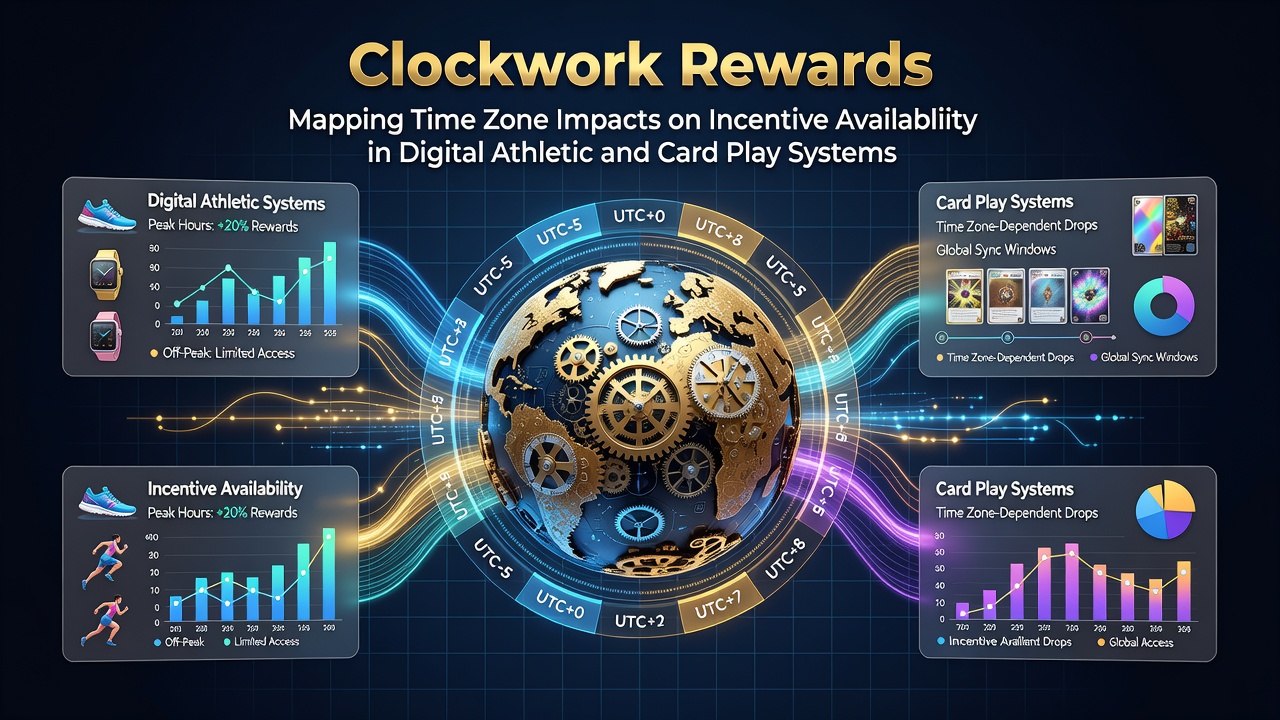
Clockwork Rewards: Mapping Time Zone Impacts on Incentive Availability in Digital Athletic and Card Play Systems
Digital athletic and card play platforms operate across dozens of time zones, which creates structured patterns in how incentives become available to users. Operators typically anchor promotions to a single reference clock such as Coordinated Universal Time, yet players in distant regions experience those same offers at different local hours. This alignment affects when bonuses activate, when they expire, and how many participants can actually claim them before the window closes.
Server Time Versus Local Time Calculations
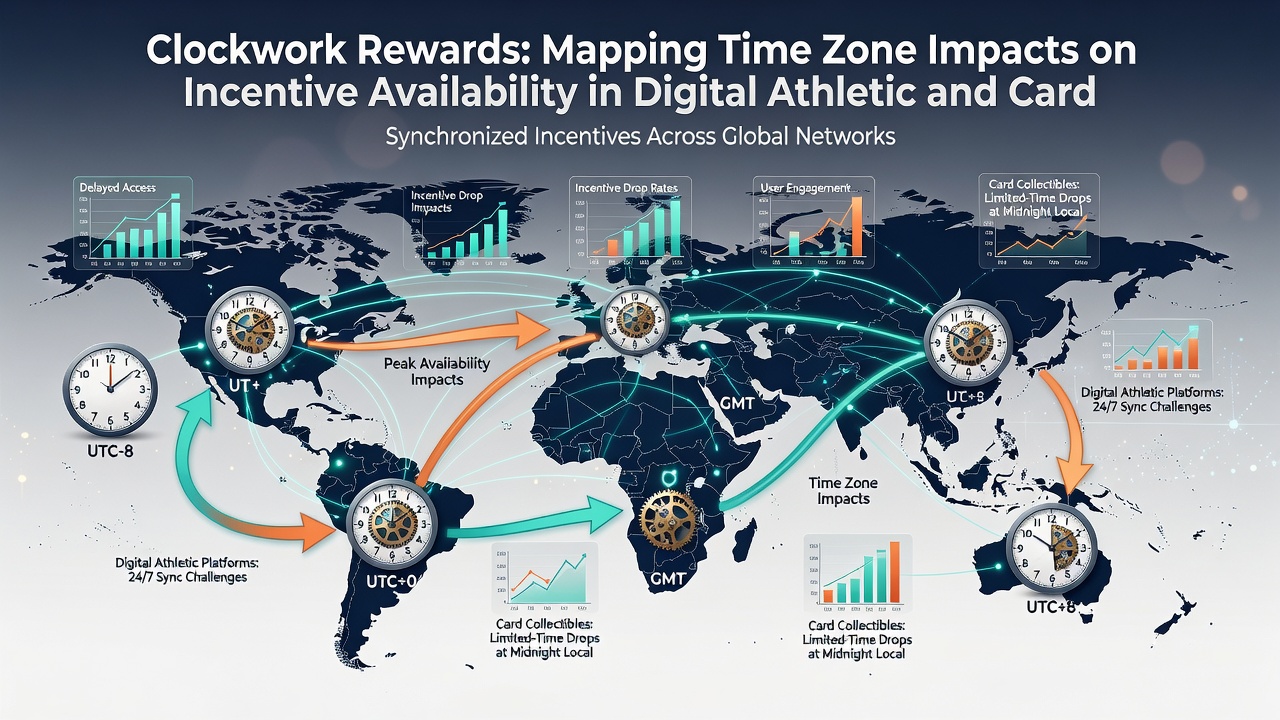
Most systems calculate eligibility windows using the platform's central server clock rather than the user's device settings. A daily login reward that resets at 00:00 UTC reaches users in Tokyo at 09:00 JST and users in New York at 20:00 EDT on the previous calendar day. Data from industry monitoring services shows that participation rates for time-sensitive offers vary by as much as 35 percent between regions separated by eight or more hours. Developers therefore adjust display interfaces to show both the server deadline and a localized countdown so players can plan accordingly.
Regional Patterns in August 2026
During August 2026 several major platforms introduced synchronized incentive calendars that list start times in multiple major cities alongside the UTC reference. Operators reported that these layered displays reduced support tickets about missed deadlines by roughly 22 percent compared with the previous year. The change coincided with expanded mobile traffic from Southeast Asia and South America, where afternoon and evening local windows captured higher claim volumes than overnight periods.
Technical Synchronization and Latency Factors
Latency between a user's location and the central server can shift the exact moment an incentive registers as claimed. In regions with congested international routing, a reward window that technically closes at 00:00 UTC may become inaccessible seconds earlier for some players. Engineers address this through buffer periods and by storing claim attempts in a queue that processes even after the nominal cutoff. Research from the Australian Communications and Media Authority on digital service delivery indicates that such buffering mechanisms maintain fairness across dispersed user bases without extending the overall promotional period.
Player Behavior Across Longitude Bands
Analytics firms tracking aggregated activity observe consistent differences in how users in eastern versus western longitudes engage with rolling reward cycles. Eastern longitudes tend to cluster claims during morning and early afternoon local time, whereas western longitudes show higher evening engagement. These patterns hold across both athletic odds platforms and virtual card tables, suggesting the influence stems more from daily routines than from game type. Platforms respond by staggering the release of smaller micro-bonuses throughout the 24-hour cycle rather than concentrating them at a single UTC reset.
Regulatory Considerations in Multiple Jurisdictions
Regulators in different regions require operators to disclose the reference time used for all time-bound offers. The Canadian Centre for Policy Alternatives gaming oversight documents emphasize that clear communication of server time prevents disputes over expired incentives. Similar transparency rules appear in frameworks from the Malta Gaming Authority and the New Zealand Department of Internal Affairs, each requiring that terms state whether deadlines follow UTC or another fixed standard. Compliance teams maintain separate regional terms pages that translate the same UTC windows into the most common local equivalents for their user base.
Future Adjustments and Data Sharing
Industry groups continue to examine whether shared UTC-based calendars could reduce friction when players move between platforms. Early pilots in 2026 explored API feeds that push incentive schedules to third-party time-zone applications, allowing users to overlay offers onto their personal calendars. Preliminary figures indicate improved claim completion rates, though adoption remains limited to operators willing to publish schedule data in standardized formats.
Conclusion
Time zone mapping directly shapes incentive availability in digital athletic and card environments by determining when offers activate and expire relative to each user's local clock. Operators anchor systems to UTC while providing localized displays and buffers to accommodate global participation. Regulatory frameworks across multiple jurisdictions reinforce the need for transparent time references, and ongoing technical refinements continue to narrow gaps between server deadlines and actual user access. These mechanisms collectively define the operational rhythm of reward distribution across worldwide player networks.